Compare teacher-led and child-centered environments to discover which early learning path best supports your child's natural development.
When choosing an early childhood education path, parents often weigh the differences between traditional teacher-led preschools and child-centered Montessori environments. Understanding these core distinctions helps families select the ideal learning space for their child's unique needs.
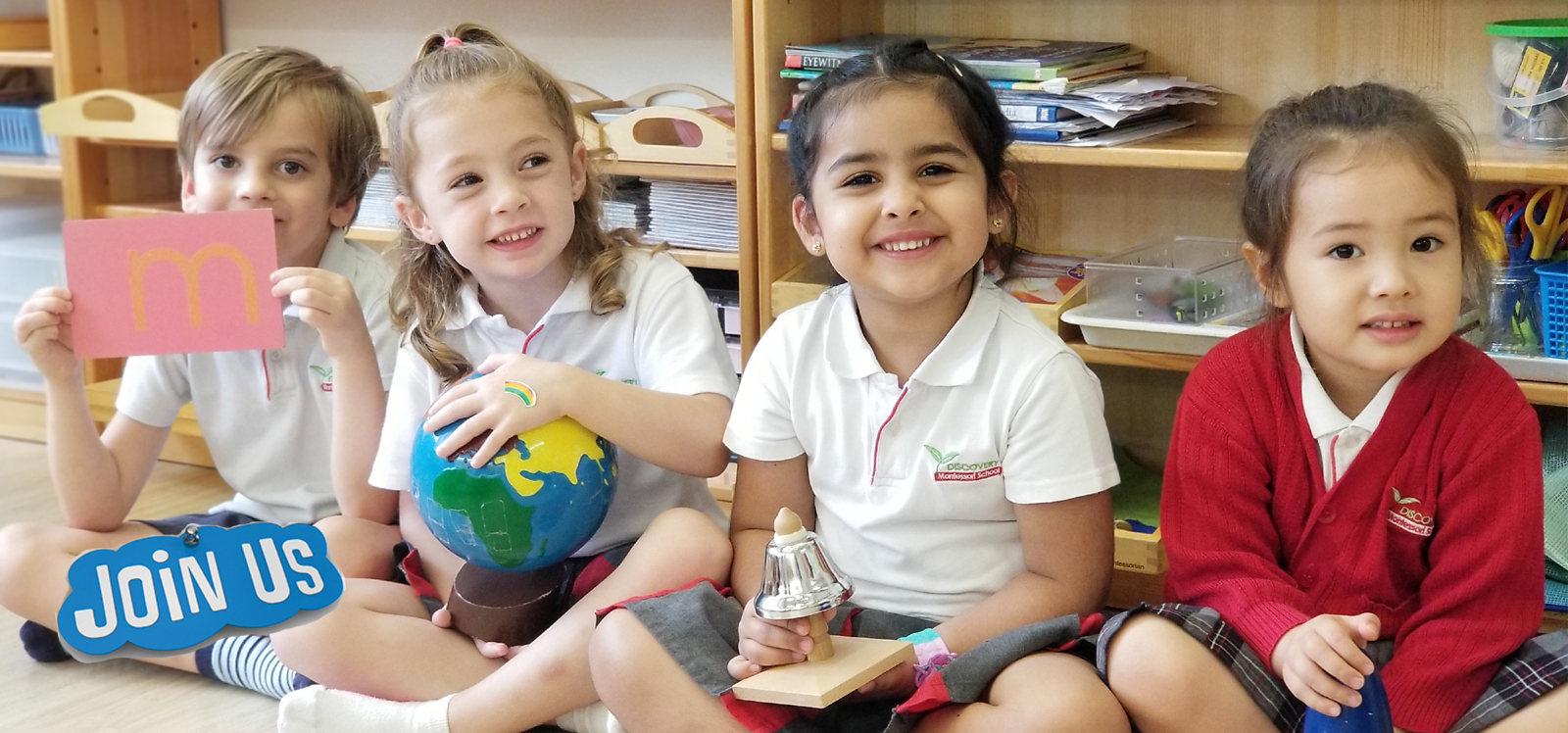
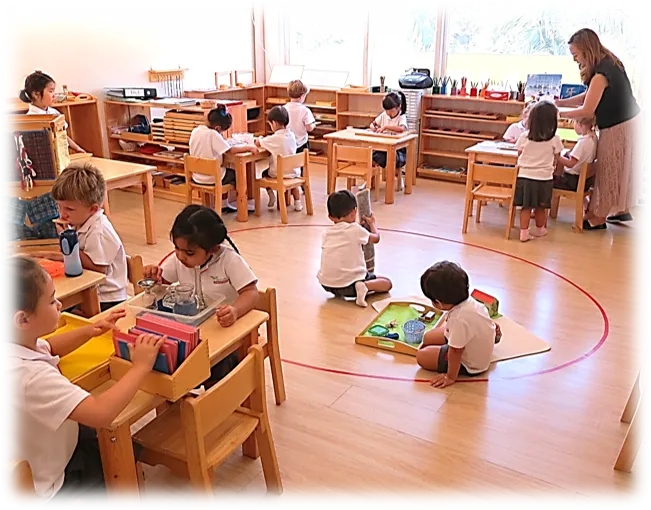
In a traditional kindergarten setting, the teacher leads the entire class through a set curriculum at the same pace. In contrast, a Montessori classroom relies on child-centered learning. Trained educators act as guides, observing each student and introducing specific learning materials when the child demonstrates developmental readiness.
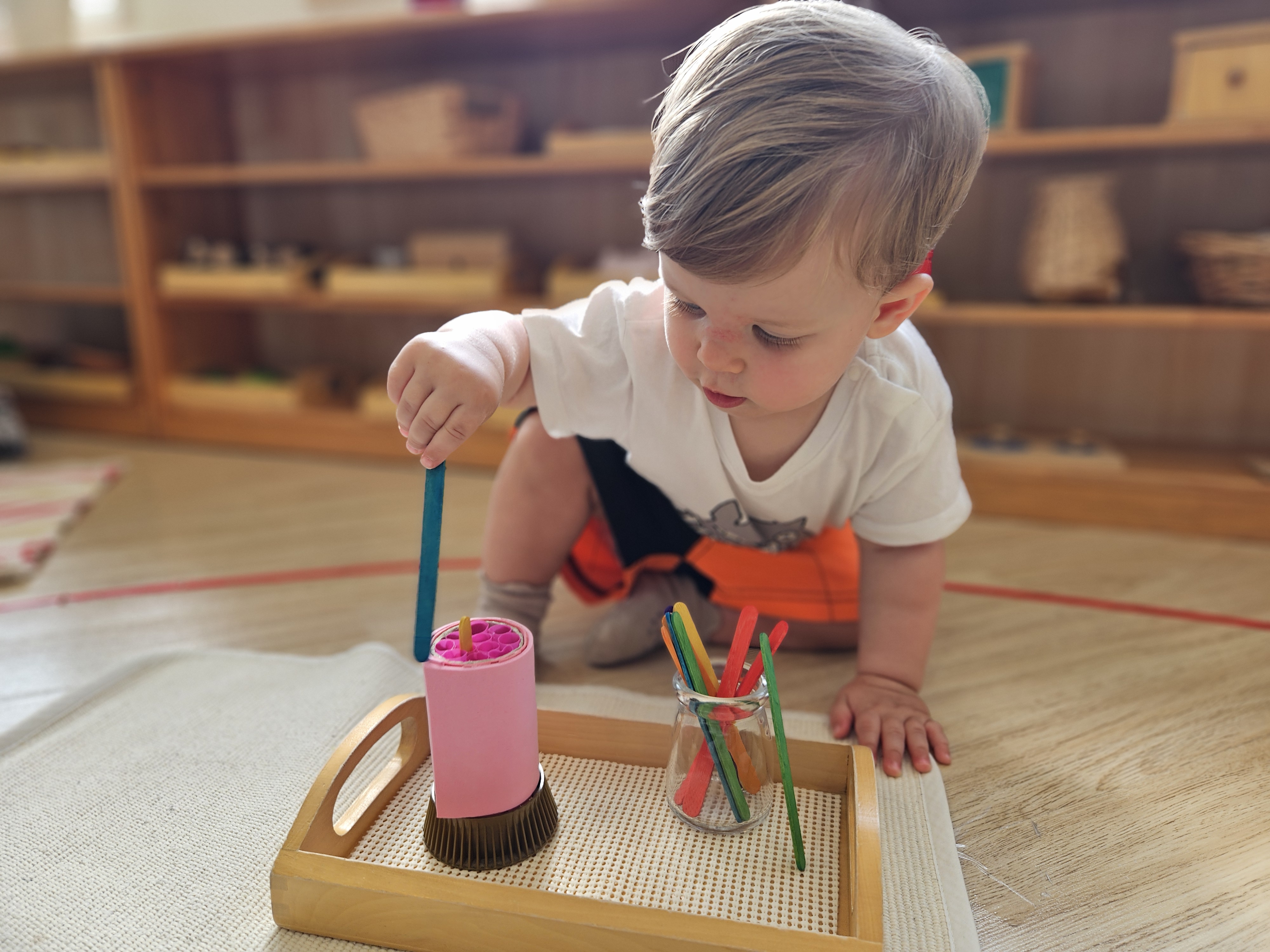
Traditional preschools usually operate on structured timetables with frequent activity changes every 20 to 30 minutes. Montessori programs utilize extended, uninterrupted work periods—often up to three hours. This uninterrupted block allows young learners to immerse themselves deeply in activities, building sustained focus and problem-solving resilience.
While traditional schools group children strictly by birth year, Montessori classrooms embrace multi-age groupings (typically ages 3 to 6). Younger children learn by observing older peers, while older students reinforce their knowledge and empathy by mentoring younger classmates.
Schedule a visit to our Central or Discovery Bay campuses to observe our child-centered classrooms in action.
Book a Campus Tour








 +852 29871201
 Parent Portal